
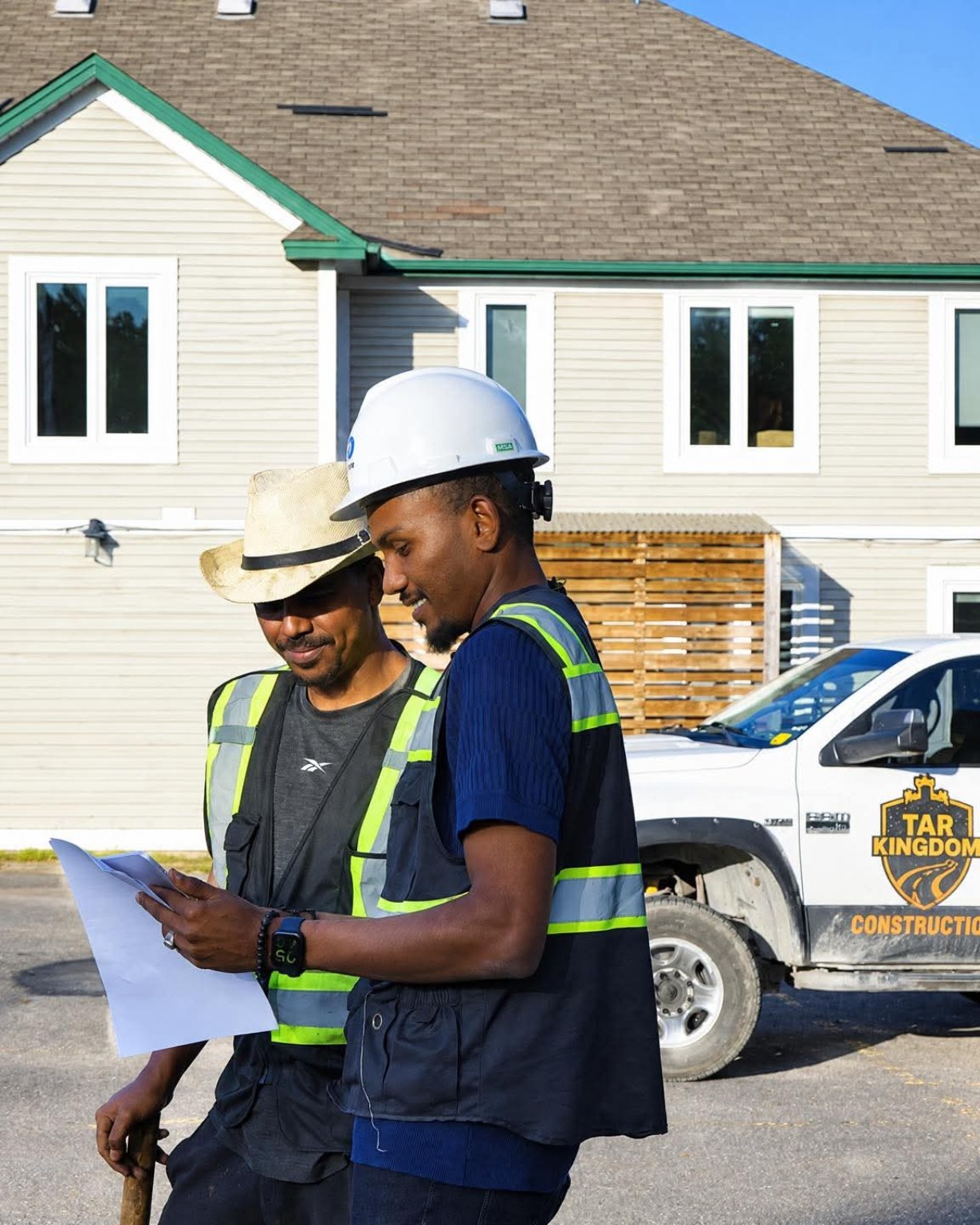

Before and After Winter: How Ottawa Property Owners Can Protect Asphalt Roads, Driveways and Parking Lots
SPONSORED CONTENT — Presented by Tarkingdom Construction
From neighbourhood streets and residential driveways to shopping plazas and commercial parking lots, smart asphalt maintenance can prevent minor damage from becoming an expensive problem.
Ottawa winters are tough on asphalt. Freezing temperatures, snow, ice, road salt and repeated thawing can turn small pavement cracks into potholes, uneven surfaces and costly repairs.
For homeowners, business owners and property managers, the question is not simply when to repair asphalt. It is what to repair, how to maintain it and which mistakes to avoid before and after winter.
Ottawa-based Tarkingdom Construction encourages property owners to think about asphalt maintenance as a long-term investment rather than waiting for visible damage to become a safety concern.
Why Ottawa Winters Damage Asphalt
One of asphalt’s biggest enemies is water. When water enters existing cracks and freezes, it expands. Repeated freezing and thawing can weaken the pavement and contribute to wider cracks and potholes. Heavy vehicles, snowplows, inadequate drainage and deteriorating pavement foundations can make matters worse.
The effects are particularly noticeable on municipal roads, residential driveways, and commercial plazas or parking lots. Municipal potholes affect road users; cracked driveways can lose their appearance and usability; and deteriorating commercial surfaces can pose accessibility and safety concerns.
Before Winter: Five Smart Maintenance Steps
- Inspect your pavement early. Look for cracks, depressions, standing water and areas where asphalt is breaking apart. Photograph problem areas to track changes.
- Repair cracks before water enters. Appropriate crack sealing can help limit water penetration. The correct method depends on the crack’s size and condition.
- Address drainage problems. Water should drain away from buildings and pavement instead of collecting in low spots.
- Repair deteriorated sections. Where asphalt is severely damaged, removing and replacing the affected area may be more effective than repeatedly covering it.
- Schedule sealing and line painting appropriately. These treatments require suitable weather, dry surfaces and proper curing conditions.
Late autumn is not automatically suitable for every asphalt treatment. Contractors should assess conditions before proceeding.
During Winter: What to Do and Avoid
Do: Remove snow before it becomes heavily compacted; use snow-removal equipment carefully; keep drainage routes clear where safe; follow de-icing product instructions; and mark vulnerable curbs, ramps and pavement edges.
Don’t: Assume every pothole can receive a permanent repair in freezing weather; pile heavy snow on weak pavement edges; ignore standing water; let plow blades strike damaged curbs; or attempt dangerous repairs in active traffic.
Emergency cold-weather patching may be necessary to reduce immediate hazards, but permanent rehabilitation generally requires suitable materials, preparation and conditions.
After Winter: Inspect and Plan Repairs
Spring is an important opportunity to inspect pavement after months of winter exposure. Check for widened cracks, new potholes, settled sections and poor drainage. Not every damaged surface requires complete replacement.
A qualified contractor may recommend targeted crack treatment, cut-and-patch restoration, drainage correction, resurfacing or reconstruction depending on the pavement’s condition.
Commercial inspections should also consider accessible parking spaces, pedestrian routes, ramps, markings and areas used by delivery vehicles.
Special Advice for Shopping Plazas and Parking Lots
Frequent turning, delivery trucks, snow storage and repeated braking can accelerate deterioration in commercial parking lots. Property managers should consider a maintenance schedule that includes inspections, prompt hazard repairs, drainage checks and repainting faded markings. Work should be planned to minimize disruption while maintaining safe access.
Tarkingdom Construction: Ottawa Asphalt Maintenance Services
Based in Ottawa, Tarkingdom Construction advertises residential and commercial asphalt repair and maintenance services, including:
- Crack repair
- Cut-and-patch asphalt restoration
- Driveway sealing
- Commercial parking lot maintenance
- Custom ramp installation
- Line painting
Homeowners can ask whether cracks need sealing, damaged asphalt needs replacement or drainage is causing recurring problems. Businesses can discuss ongoing maintenance rather than relying exclusively on emergency pothole repairs. Specific methods, service life, costs and warranties should be confirmed in a written quotation.
Seven Mistakes That Can Cost More
- Waiting until small cracks become potholes.
- Applying sealant over dirty, wet or unsuitable pavement.
- Covering damage without investigating the cause.
- Ignoring drainage problems.
- Choosing repairs based only on the lowest price.
- Allowing heavy equipment to damage unprotected pavement edges.
- Skipping routine inspections.
The key advice: repair the cause, not just the visible symptom.
Who Is Responsible for Repairs?
Ottawa residents should distinguish public roads from private property. Municipal roadway potholes and maintenance concerns can be reported through the City of Ottawa’s 3-1-1 services. Private driveways and commercial parking lots are generally the responsibility of their owners or property managers, subject to applicable arrangements. Public roadwork may require permits and traffic-control measures.
Contact Tarkingdom Construction
Website: tarkingdom.ca
Services: Explore asphalt and construction services
Phone: (343) 999-9594
Email: info@tarkingdom.ca
Address: 208 Annapolis Circle, Ottawa, Ontario, Canada
Advertising disclosure: This article is sponsored by Tarkingdom Construction and prepared for Eye on Ottawa. Company service and contact details are presented from its website. General maintenance recommendations are educational and do not guarantee performance or constitute an independent endorsement. Obtain a site-specific assessment and written estimate before authorizing work.