
SCENE 1 OF 3
A leaf like fire
On a windy morning by the Rideau Canal, Pip the beaver found a leaf as red as a campfire. He set it on a stone to show his friend Dot. Then a gust sent it tumbling into the water. “My leaf!” cried Pip.

Local stories. Community voices.
Local stories. Community voices.
EYE ON OTTAWA • AGES 4–10
Meet Pip the beaver and discover delightful stories about family, friendship and safety.
An Ottawa picture story • Ages 4–6 • Read together
On a windy morning by the Rideau Canal, Pip the beaver found a leaf as red as a campfire. He set it on a stone to show his friend Dot. Then a gust sent it tumbling into the water. “My leaf!” cried Pip.

Dot the duck paddled over. “Look where the little waves are going,” she said. Pip followed the ripples with his eyes. There was the red leaf, caught on a reed! Dot nudged the reed with her bill, and the leaf floated free.

Pip scooped up the leaf at the shallow edge. He wanted to take it home, but Dot liked it too. So they laid it on the moss between them and watched it glow in the evening sun. “Tomorrow,” said Pip, “let’s find a yellow one.”
Images: AI-generated
What did Dot notice that helped Pip? What would you have done with the leaf?
Pick a short story to read on your own or together.
Images: AI-generated illustrations with fictional characters.
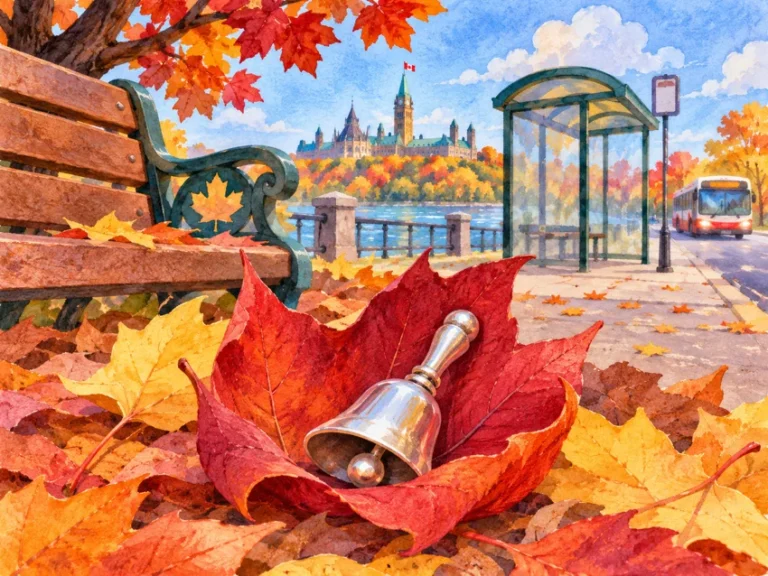
At an Ottawa bus stop, Lina lined up three pretend buses on the bench. She rang a little silver bell each time one arrived. Then the real bus pulled up, and her bell rolled into a pile of dry leaves.
Lina and Grandpa looked under the bench. Nothing. Then Lina asked Grandpa to stand still. She swept a few leaves with her mitten. Scritch, scritch, ting! She swept again, more softly. Ting!
There it was, tucked inside a curled maple leaf. They waved the bus on and took the next one. When it arrived, Lina rang her bell just once. Grandpa whispered, “All aboard,” and even the driver smiled.
Talk about it
Which sound helped Lina find the bell?
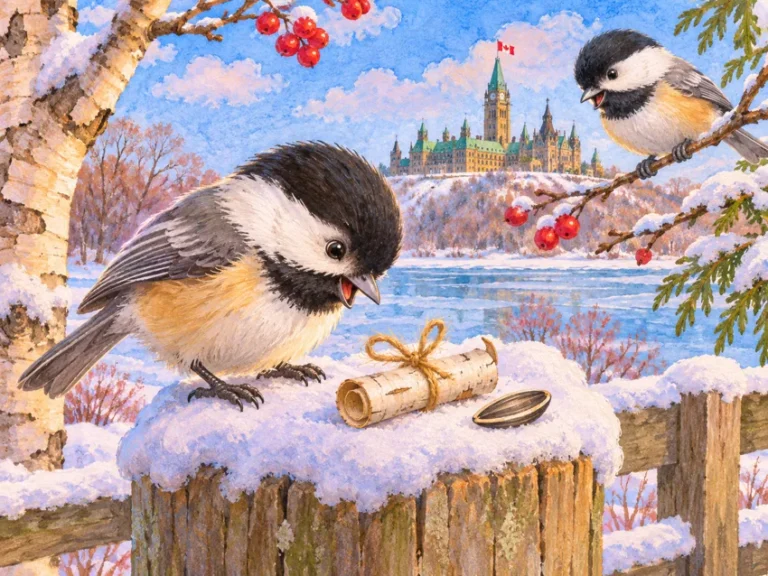
Milo the chickadee wanted to send his neighbour a thank-you note for sharing sunflower seeds. He wrote it on a strip of birch bark and balanced it on a fence post.
A flurry came through. When Milo returned, every post wore a white hat. He remembered that his post was beside a crooked twig, but there were two crooked twigs! Then he spotted a seed shell where he had eaten his snack.
Milo brushed off the snow and took the note straight to his neighbour. The next morning, he found a seed beside his nest. Under it was a tiny strip of bark with a drawing of two birds.
Talk about it
What clue helped Milo pick the right post?

On a walk beside the Rideau Canal, Nora saw a long shadow slip under a bridge. “An eel,” she told her brother Sami. Then it split into three, which was a strange thing for an eel to do.
They stayed on the path and watched. Every time the dark shapes stretched, a ripple ran through them. Nora looked up and saw three ducks paddling past a bright patch of sky reflected in the water.
Sami sketched the scene in his notebook. When the ducks swam into the shade, the shapes disappeared. Nora crossed out ‘eel’ in the notebook and wrote ‘three ducks in disguise.’ They drew a detective badge beside it.
Talk about it
What could Nora and Sami watch for next time to tell a reflection from something underwater?
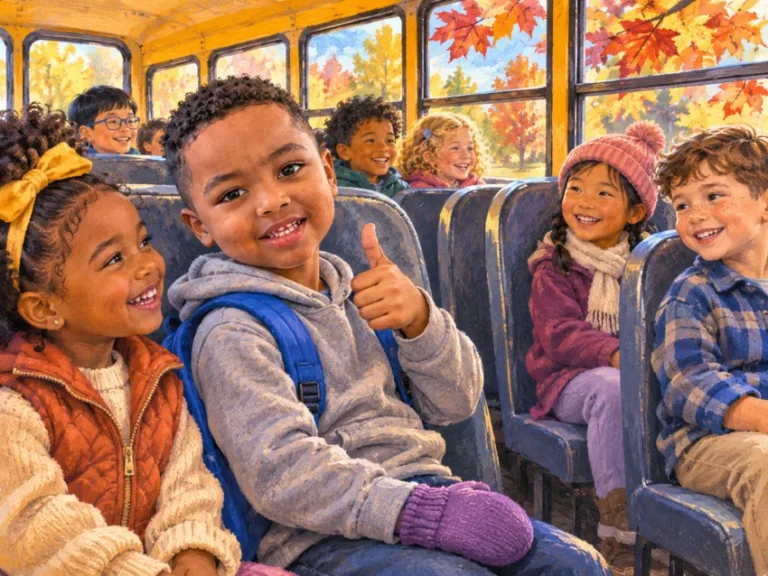
Ahmed saw the yellow bus coming and waved so hard his mitten nearly flew off. He and Dad waited back from the road. When the bus stopped and the driver opened the door, Ahmed climbed aboard.
He sat facing forward and tucked his backpack out of the aisle. At his stop that afternoon, one mitten slipped from his pocket and landed close to the bus. He told the driver and waited while Dad helped.
Ahmed pulled on his mitten and showed Dad the drawing he had made at school. It was a yellow bus with a purple dinosaur in every seat. Even the dinosaurs had their backpacks out of the aisle.
Talk about it
What should you do if you drop something close to the bus?
For grown-ups · Ontario school bus safety
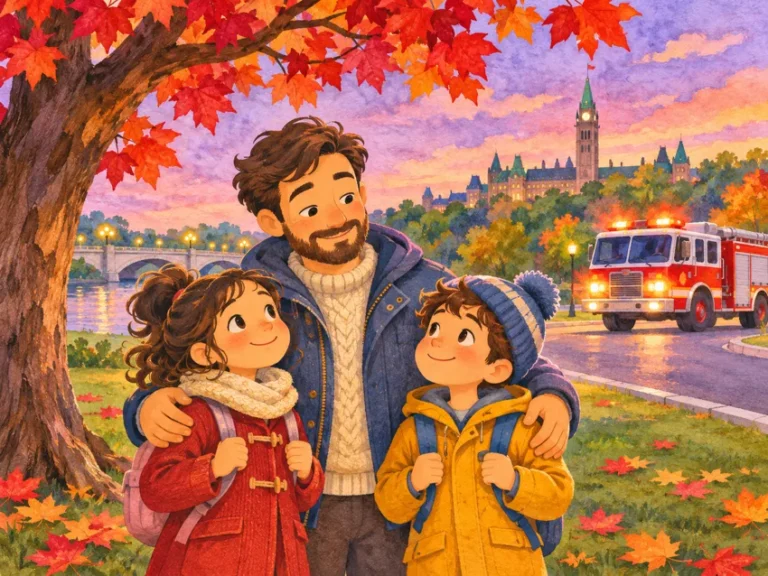
On Sunday, Amira and Dad practised their home fire escape plan. They walked out the front door and met at the maple tree in their front yard. Amira drew a picture of the tree so her little brother could remember it.
One evening, the smoke alarm beeped loudly. Amira reached for her stuffed rabbit, then remembered their practice. She left it on the couch and went straight outside with Dad and her brother.
At the maple tree, Dad called 911. They stayed outside while the firefighters arrived. Amira squeezed her brother’s hand. He pointed to the tree and whispered, “I remembered.”
Talk about it
Where would your family meet outside in a fire?
For grown-ups · Ottawa Fire Services home escape plans
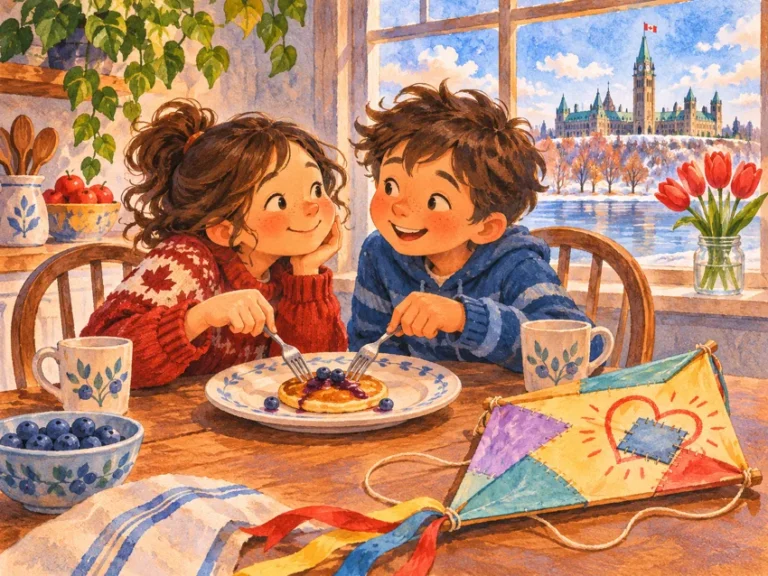
Nadia had saved the last blueberry pancake for herself. Then she noticed her brother Adam sitting quietly. His paper kite had torn on the way home from the park.
She asked if he wanted company. Adam nodded. Nadia cut the pancake in half. Adam gave her the piece with the biggest blueberry, and they ate together at the kitchen table.
Later, Grandma helped them patch the kite. When Nadia worried the patch looked funny, Adam drew a heart around it. The next time it flew, the heart was the first thing they could see from the ground.
Talk about it
How did Nadia and Adam show they cared about each other?
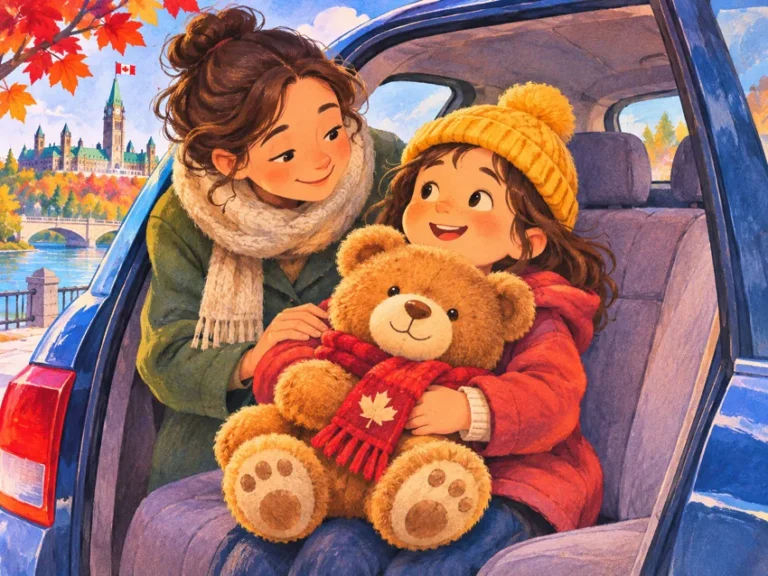
Omar brought his toy bear on a drive to the library. He wanted to sit like his older cousin, but Mum helped him into the car seat that fit him and checked his harness before they set off. Click!
On the way, a ball bounced into the street. Mum braked hard. The bear tumbled onto the floor, and Omar’s harness held him snugly in his seat.
Once Mum had parked at the library, she helped Omar unbuckle and pick up his bear. On the ride home, Omar listened for the click again. “Ready,” he said, and Mum checked his harness before they left.
Talk about it
Why did Omar wait until Mum parked to unbuckle?
For grown-ups · Ontario car seat and booster seat rules

Leo had almost beaten the ice castle. He played past bedtime to try one more level, then another. When he finally put the tablet down, he was still thinking about the game and had trouble settling to sleep.
At soccer the next morning, Leo yawned through warm-up. That night, he and his aunt set a timer to stop playing an hour before bed. He parked the tablet in the kitchen and drew a map of the ice castle on paper.
By the time he finished drawing a secret tunnel, his eyelids felt heavy. The next afternoon, he had a new route to try in the game and a good night’s sleep behind him.
Talk about it
What could you do before bed after putting away your screen?
For grown-ups · Canadian Paediatric Society guidance on screens and sleep
Twelve illustrated stories about safety, kindness, family and growing up in Ontario. Read together, talk about what you learned, or use Listen to Story. All original stories remain available.
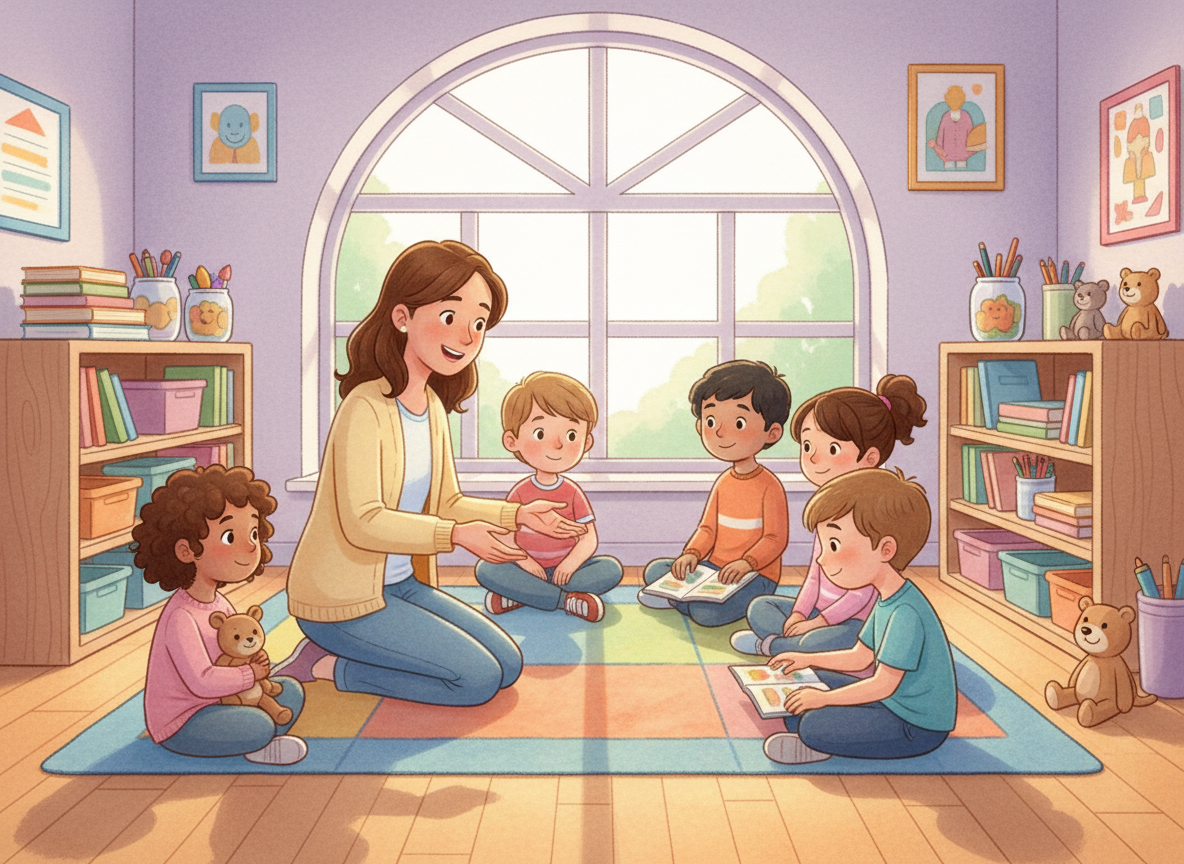
On a bright Tuesday, Amina was building a paper castle when her teacher, Ms. Chen, announced a lockdown practice. Amina’s stomach fluttered. The room felt different when everyone stopped talking. “Our school practises safety plans so we know how to listen and help one another,” Ms. Chen said calmly.
Amina put down her crayons and followed her teacher to the classroom’s designated safe place. She stayed with her classmates, listened carefully and kept her voice quiet. Her friend Eli looked worried, so Amina gave him a small reassuring smile. Nobody went wandering into the hallway. They waited for the teacher to tell them the practice had ended.
Afterwards, Ms. Chen invited questions. “What if I feel scared?” Amina asked. “That feeling is okay,” her teacher replied. “You can tell me or another trusted adult. In a real emergency, follow the instructions of your teachers and school staff.” Amina was proud that she had listened and helped her friend feel less alone.
Talk together: Why was it important for Amina to listen to her teacher? Which trusted adult could you talk to if a drill makes you nervous?
Remember: During a school lockdown or drill, stay with your class, follow staff instructions, and ask a trusted adult about any worries afterward.
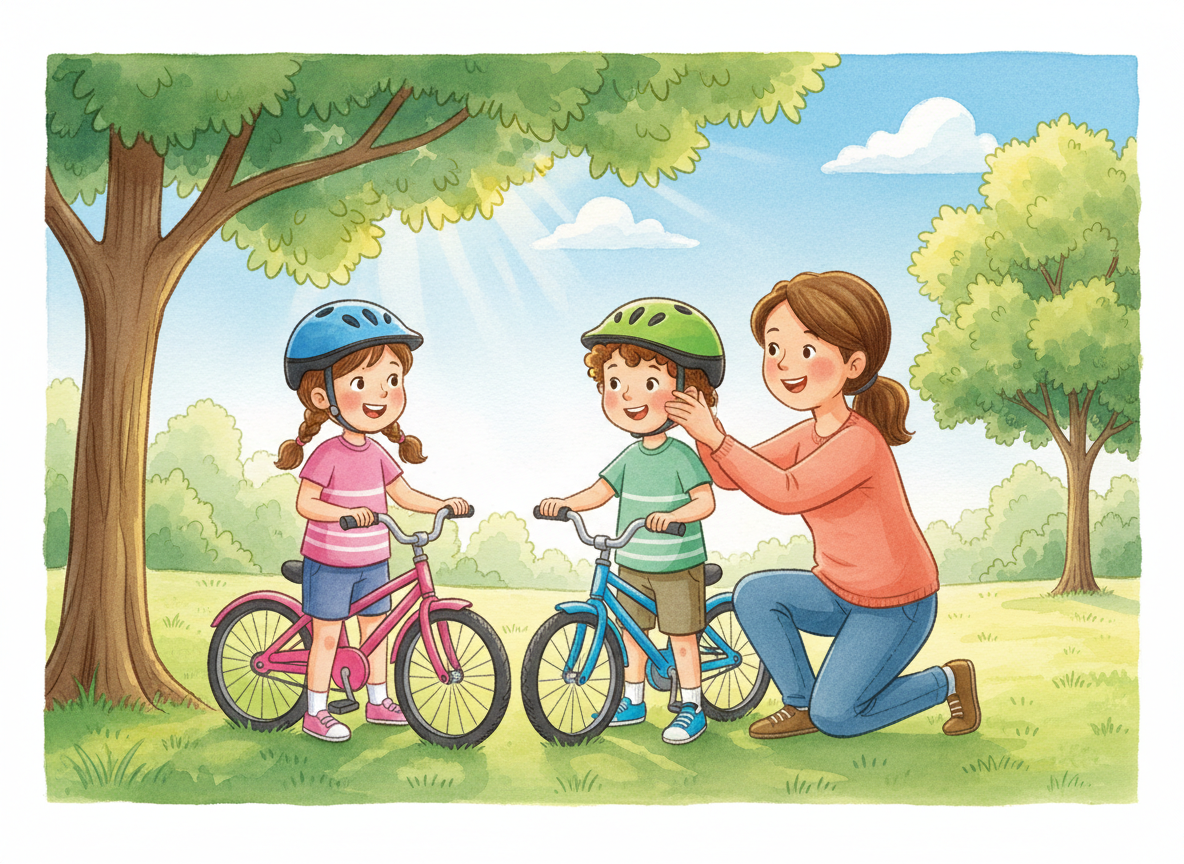
Leo loved racing his bicycle along the park path. Before every ride, he called his purple helmet his “super-smart hat.” His aunt helped him check that it sat level on his head and that the strap was comfortably fastened. “Your brain helps you think, learn and remember,” she explained. “It deserves protection.”
One afternoon, Leo lost his balance and fell. He got up, but his head hurt and he felt a little dizzy. “I’m fine—I can keep riding,” he said. His cousin Maya shook her head gently. “Let’s tell Auntie.” Leo stopped playing and told her exactly how he felt. She stayed with him and arranged medical advice.
Later, Leo learned that a helmet helps reduce the risk of some head injuries, but a hard bump can still cause a concussion. He promised to tell an adult right away if he or a friend had a headache, dizziness or confusion after a hit. Being brave, Leo decided, sometimes means asking for help.
Talk together: What did Leo do after he felt dizzy? Why is telling an adult more important than finishing the game?
Remember: Wear a properly fitted helmet when cycling. After a head bump, stop the activity and tell a trusted adult—especially if you feel unwell.
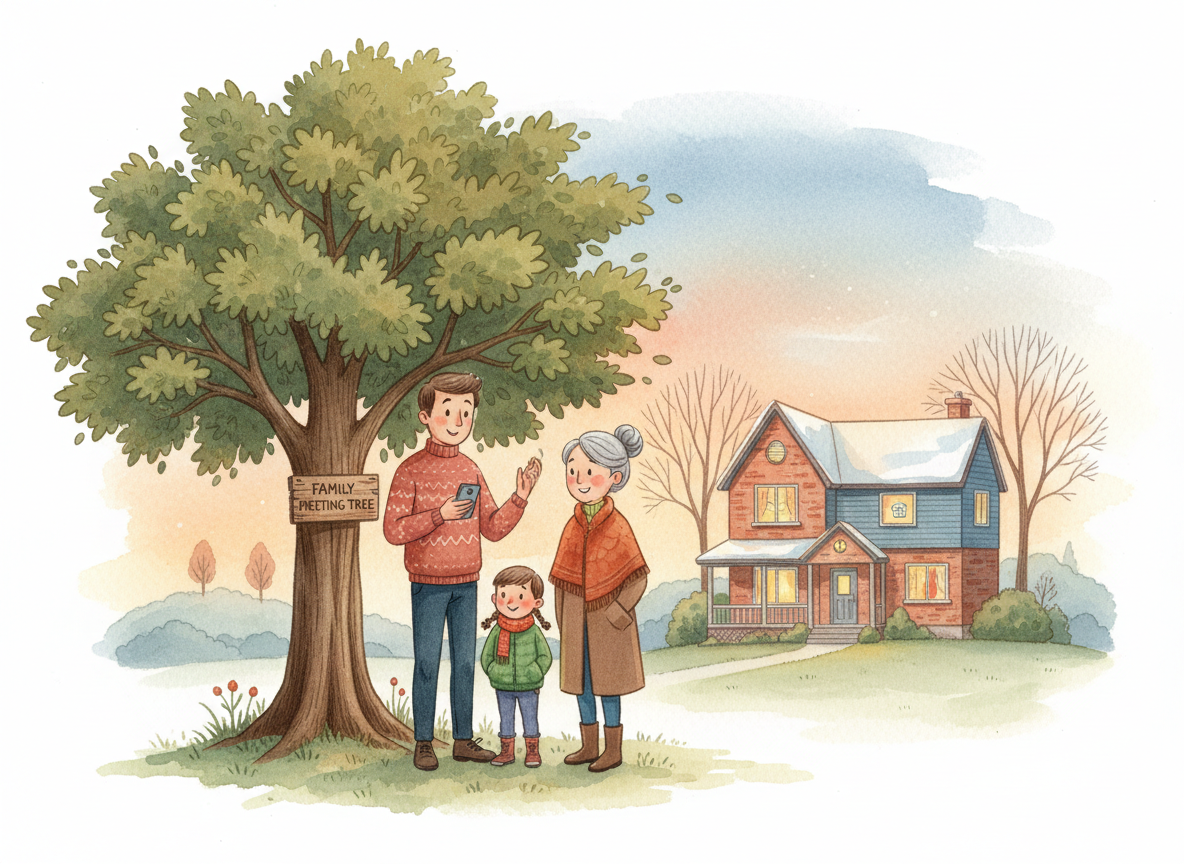
Maya’s family had a special meeting place: the little maple tree across the yard. On Sunday, they practised their home fire escape plan. They talked about ways to get outside, who might need help and how everyone would meet at the tree.
A few days later, a pan in the kitchen began to smoke and the smoke alarm sounded. Maya’s grown-up said, “We’re going outside now.” Maya remembered the plan. She left her favourite teddy on the sofa and went out with her family, without stopping to gather things.
At the meeting tree, everyone stayed together while a grown-up called 9-1-1 from outside. Maya wanted to go back for her teddy, but Grandma held her hand. “People come first,” Grandma said. “We never go back inside until firefighters say it is safe.” Later, Maya hugged her teddy—and reminded her family to practise their escape plan again.
Talk together: Why did Maya leave her teddy behind? Where does your family plan to meet if you must leave home quickly?
Remember: When a smoke alarm sounds, get out, stay out and get help. Practise a home escape plan with your grown-ups.
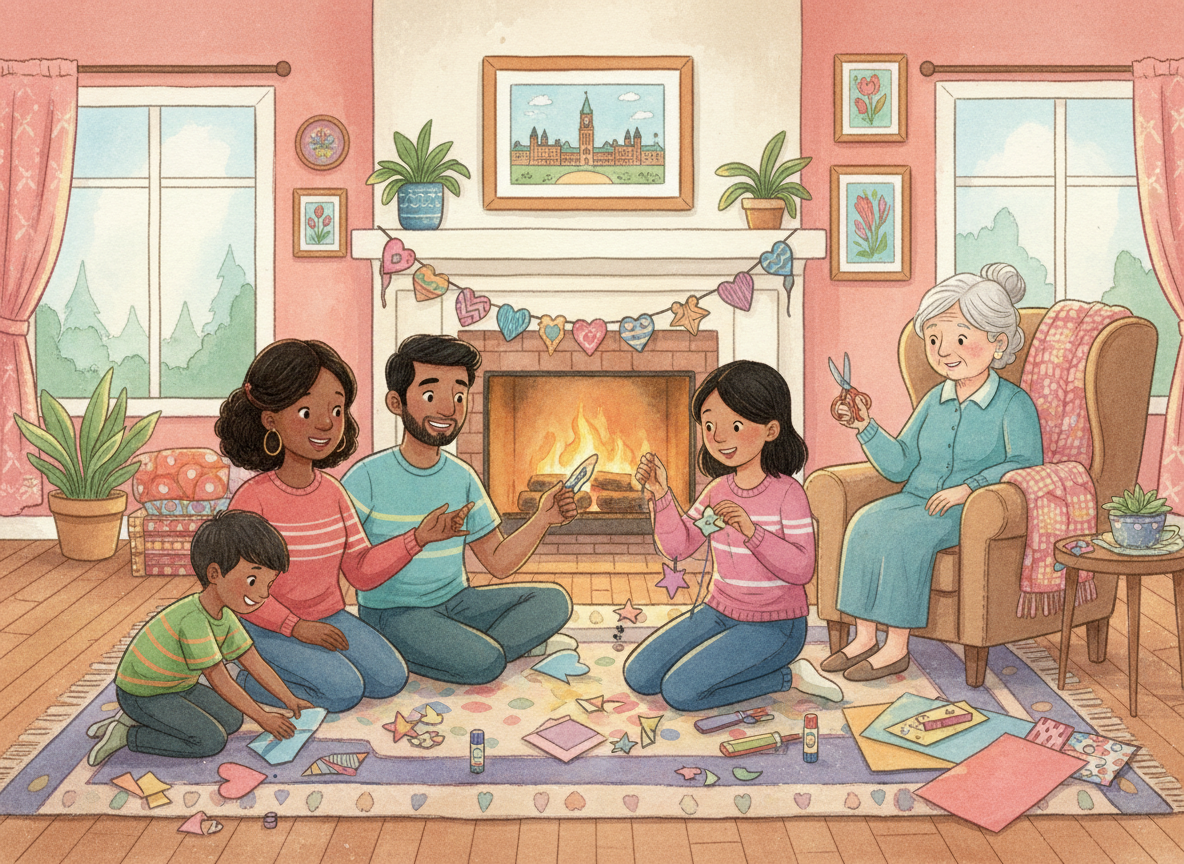
On a rainy Ottawa afternoon, Sami thought his family’s living room looked a little grey. “We should make a lantern of love,” he announced. His sister Leila cut out paper stars while Grandpa found a string and coloured pencils. Everyone made a small shape for something kind they had done.
Leila drew a heart for helping Sami find his lost mitten. Sami made a star for listening when Grandpa told a story. Then Sami accidentally spilled the pencils and felt embarrassed. “I’m sorry,” he whispered. Leila helped him pick them up. “Families make mistakes,” she said. “We can listen, apologise and try again.”
When their garland was finished, they hung it by the window. It was not a real lantern, but the colourful paper glowed in the afternoon light. Sami thought of families he knew—some big, some small, some living in more than one home. Love, he realised, can look different. What matters is feeling safe, respected and cared for.
Talk together: What kind thing could you do for someone in your family today? Who else helps you feel safe and cared for?
Remember: Kind words, listening, helping and respecting personal boundaries are all ways to show love.
Ahmed waited with his mother in a safe place away from the road. When the bus stopped, he waited for the driver to open the door. He climbed aboard carefully and sat down. On the ride, he stayed seated and listened to the driver. After school, he waited for the driver’s signal before crossing in front of the bus, looking carefully for vehicles. “Safe journeys start with patient choices,” he told his sister.
Maya was drawing a rainbow when the smoke alarm sounded. She remembered her family’s escape practice. She left with her grown-up, using their planned way out. She did not stop for her toys or go back inside. At their meeting place outdoors, her grown-up called 9-1-1. Later, everyone practised their escape plan again. Maya knew that a smoke alarm means get out, stay out, and get help.
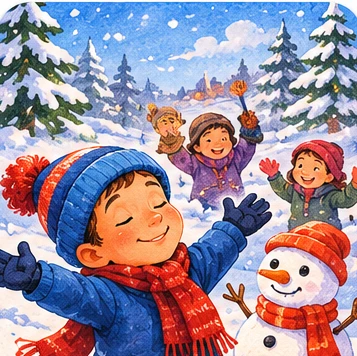
Sam was new to Ottawa and had never seen so much snow. At recess, Shahd noticed Sam watching the other children. “Would you like to join us?” she asked. Sam smiled and showed them how to make tiny snow animals. Everyone joined in, making space for different ways to play. By the end of recess, Sam had three new friends and a little snow rabbit.
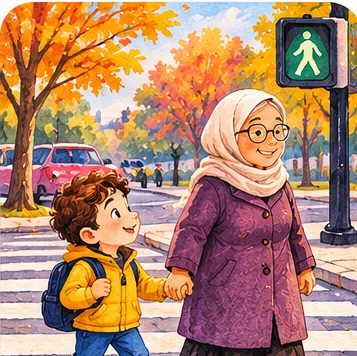
Khaled and Grandma stopped at the corner. They waited for the pedestrian signal and looked in every direction. Grandma reminded Khaled to watch for turning vehicles even when the walk symbol appeared. They crossed together without running. On the other side, Khaled said, “I can be careful and still enjoy our walk!”
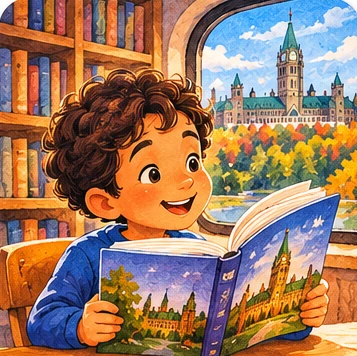
At the Ottawa library, Ahmed found a book about a tiny dragon who was afraid of the rain. He sat beside his father and turned each page slowly. The dragon learned to use a big leaf as an umbrella. Ahmed giggled. When it was time to leave, he borrowed the book to read again at home. He had discovered a treasure that could be opened every day.
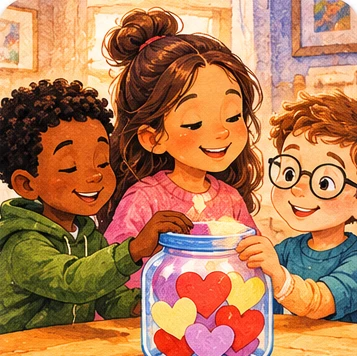
One morning, Khaled felt disappointed when his paper airplane would not fly. Shahd offered to help, and Ahmed cheered when it finally sailed across the room. Their family put a paper heart in a kindness jar. Every heart represented a helpful act, a kind word, or someone listening. Soon the jar was full of colourful reminders that small kindnesses matter.
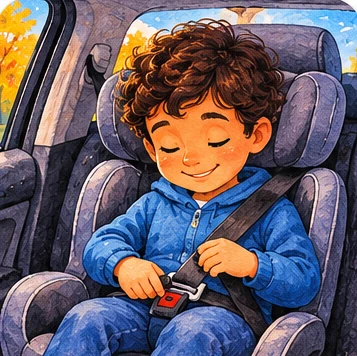
Before their trip to the park, Ahmed’s grown-up checked that each child was using the correct car seat, booster seat, or seat belt for their size and age. Everyone was secured before the car moved. “Even short trips need safe buckles,” their grown-up said. The children watched the trees through the windows, ready for a fun afternoon.

After dinner, Ahmed asked for another video. His family suggested a different adventure: a blanket fort and a bedtime story. Together they built a cozy fort and imagined they were camping by a sparkling lake. Ahmed chose a book and listened as the characters sailed under the stars. When the lights went out, he was still smiling.
For grown-ups: Stories are educational and do not replace your school’s emergency instructions or professional medical advice. See Ontario school safety guidance, Ontario concussion awareness for ages 10 and under, and Ontario home fire safety.
Grab paper and crayons. Draw a bus with a maple leaf on the side, invent three silly stops, and draw a map connecting them. Can a friend follow your route?
Add a bridge to your map. Now draw a second route that reaches the same stops without crossing the bridge.